
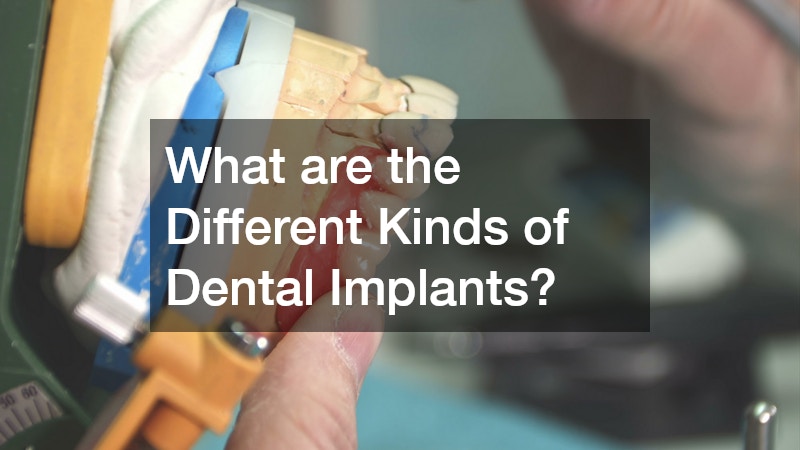
Dental implants have transformed the way dentists replace missing teeth, offering a long-lasting and natural-looking solution. Unlike removable dentures or traditional bridges, implants are anchored directly into the jawbone, creating a stable foundation for replacement teeth. Patients who are exploring dental implants often discover that there are several types available, each designed to address different oral health needs, bone conditions, and treatment goals.
Understanding the different kinds of implants can help you feel more confident when discussing your options with a dental professional.
Endosteal Dental Implants
Endosteal implants are the most commonly used type of dental implant. These implants are surgically placed directly into the jawbone and act as artificial tooth roots.
Typically made of titanium or zirconia, they are biocompatible, meaning they fuse naturally with the bone through a process called osseointegration.
Who Is a Good Candidate?
Patients with healthy jawbone density and good overall oral health are usually strong candidates for endosteal implants. Since the implant needs adequate bone to anchor securely, individuals with significant bone loss may require a bone graft before placement.
Benefits of Endosteal Implants
One of the primary advantages of endosteal implants is their durability. Once healed, they function much like natural teeth and can support a single crown, a dental bridge, or even implant-supported dentures. They also help preserve bone structure by stimulating the jawbone, preventing the deterioration that often follows tooth loss.
Subperiosteal Dental Implants
Subperiosteal implants are an alternative for patients who do not have sufficient jawbone density and may not want or qualify for bone grafting procedures. Instead of being inserted into the jawbone, these implants rest on top of the bone but beneath the gum tissue.
How They Work
A custom metal framework is positioned under the gums, with small posts extending above the gumline. Once the gums heal, replacement teeth are attached to these posts. This design allows patients with shallow jawbones to receive dental implants without extensive preparatory surgeries.
When They Are Recommended
Subperiosteal implants are less common today than endosteal implants, but they remain a viable option for certain cases. Patients who cannot undergo bone augmentation due to medical conditions or personal preference may benefit from this approach.
Zygomatic Implants
Zygomatic implants are a specialized type of dental implant designed for individuals with severe upper jaw bone loss. Instead of anchoring into the jawbone, these implants are secured into the zygomatic bone, also known as the cheekbone.
A Solution for Advanced Bone Loss
Because the cheekbone is denser than the upper jawbone, it can provide strong support for implants even when traditional methods are not feasible. Zygomatic implants are typically used in complex cases and require advanced surgical expertise.
Treatment Considerations
This option is generally recommended when bone grafting is not ideal or when patients prefer to avoid multiple surgical procedures. While the process can be more involved, it often allows patients to restore their smiles more quickly than undergoing staged bone graft treatments.
Single-Tooth Implants
When only one tooth is missing, a single implant topped with a custom crown can replace it without affecting neighboring teeth. This approach is one of the most conservative and effective uses of dental implants.
Advantages of Replacing One Tooth
Unlike a traditional bridge, which requires the reshaping of adjacent teeth for support, a single implant stands independently. It preserves the health of surrounding teeth while maintaining natural spacing and bite alignment.
Implant-Supported Bridges
For patients missing several teeth in a row, implant-supported bridges offer a stable alternative to removable partial dentures. Instead of placing an implant for every missing tooth, a few strategically positioned implants can support a bridge that spans the gap.
Stability and Function
Implant-supported bridges restore chewing strength and prevent shifting of remaining teeth. They also help maintain jawbone health in the areas where implants are placed.
All-on-Four Implants
All-on-Four is a popular technique that uses four strategically angled implants to support a full arch of teeth. This method maximizes the use of available bone and can often eliminate the need for bone grafting.
Efficient Full-Arch Restoration
The implants are positioned to provide optimal stability, allowing a full set of prosthetic teeth to be attached. In many cases, patients can receive a temporary set of teeth on the same day as surgery, making this option appealing for those seeking immediate results.
Mini Dental Implants
Mini implants are smaller in diameter than traditional implants and are often used when space is limited or bone density is reduced. They can also be used to stabilize lower dentures.
Less Invasive Placement
Because of their smaller size, mini implants typically require a less invasive procedure and may involve a shorter healing time. However, they may not be suitable for all cases, particularly when significant biting force is expected.
Choosing the Right Type of Implant
Selecting the most appropriate type of dental implants depends on several factors, including the number of missing teeth, jawbone health, overall medical condition, and personal preferences. A comprehensive dental examination, including imaging such as X-rays or 3D scans, helps determine which approach will provide the best long-term outcome.
Bone Health and Preparation
In some cases, additional procedures such as bone grafting or sinus lifts may be necessary to create a stable foundation for implants. These preparatory treatments can expand the range of options available to patients.
Long-Term Care and Maintenance
Regardless of the type chosen, maintaining good oral hygiene is essential for the longevity of dental implants. Brushing, flossing, and regular dental checkups help prevent complications such as peri-implantitis, a condition that can threaten implant stability.
Dental implants offer versatile and highly effective solutions for replacing missing teeth. With options ranging from traditional endosteal implants to advanced full-arch systems, patients have more choices than ever before. Consulting with an experienced dental professional ensures that the selected treatment aligns with both functional needs and aesthetic goals, ultimately restoring comfort, confidence, and a healthy smile.
Copyright © All Rights Reserved. Dental Needs for the Whole Family. Sitemap