
Key Takeaways:
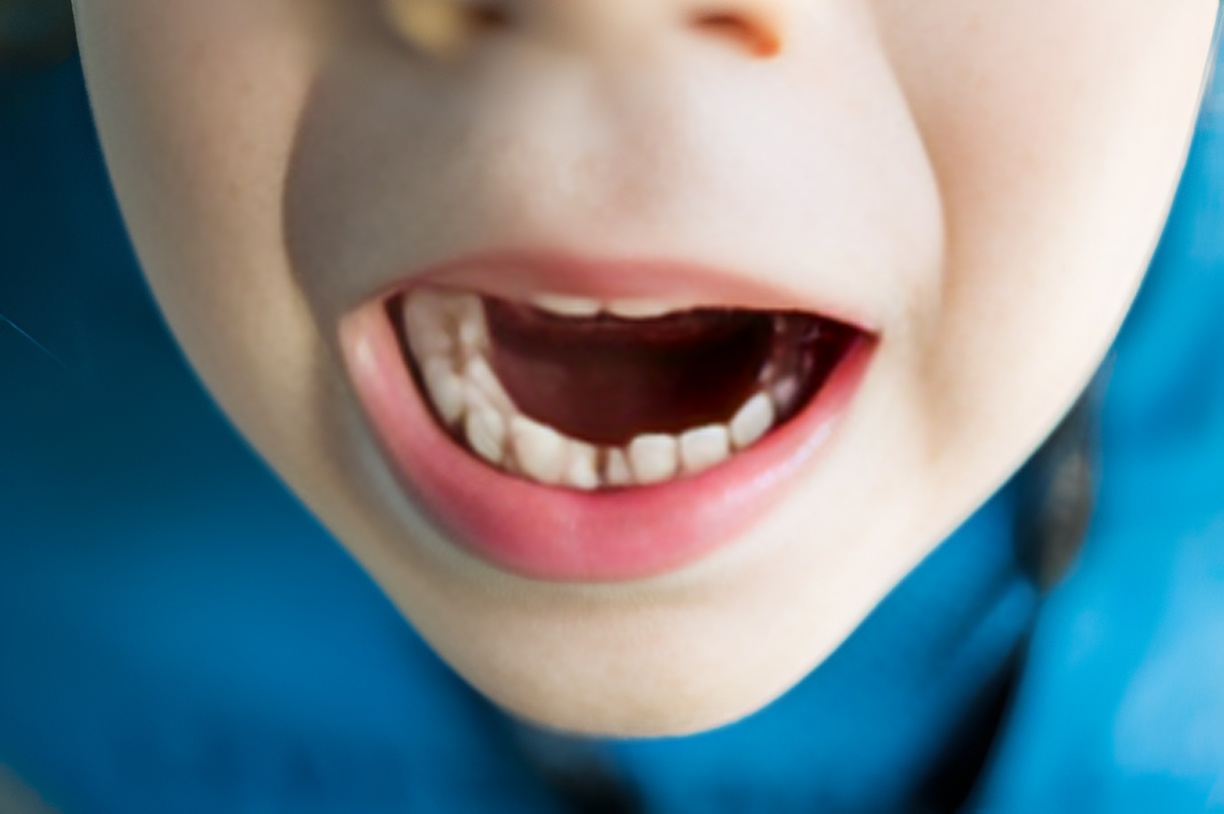
- Kids lose 20 primary teeth between ages 6-12
- Front teeth usually fall out first, followed by molars and canines
- Loose teeth may wiggle for days or weeks before falling out
- Permanent teeth replace baby teeth, sometimes causing minor discomfort
- Good nutrition, oral care, and regular dental visits support healthy teeth
- Celebrate milestones to make the process fun and stress-free
Losing baby teeth is a major milestone in a child’s growth. It’s a natural process that can be exciting, sometimes a little scary, and often messy. Many parents wonder: How many teeth do kids lose? When do they start losing them? and How can I make the experience easier for my child? This guide covers everything from timelines and numbers to care tips and practical advice for parents.
How Many Teeth Do Kids Lose Overall?
Children have 20 primary teeth, also called baby teeth or deciduous teeth. These teeth gradually fall out to make room for permanent adult teeth.
Here’s a breakdown:
- 10 teeth on the top (maxillary teeth)
- 10 teeth on the bottom (mandibular teeth)
By the time a child finishes losing their baby teeth, all 20 will be replaced by 32 permanent teeth—including the wisdom teeth, which typically appear later in adolescence.
Why Do Kids Lose Teeth?
To understand why kids lose teeth, it helps to know how teeth develop. Baby teeth serve as placeholders for adult teeth, guiding them into proper alignment. Losing teeth is part of a natural process called exfoliation, where roots of primary teeth dissolve to make way for the permanent teeth.
When Do Children Start Losing Teeth?
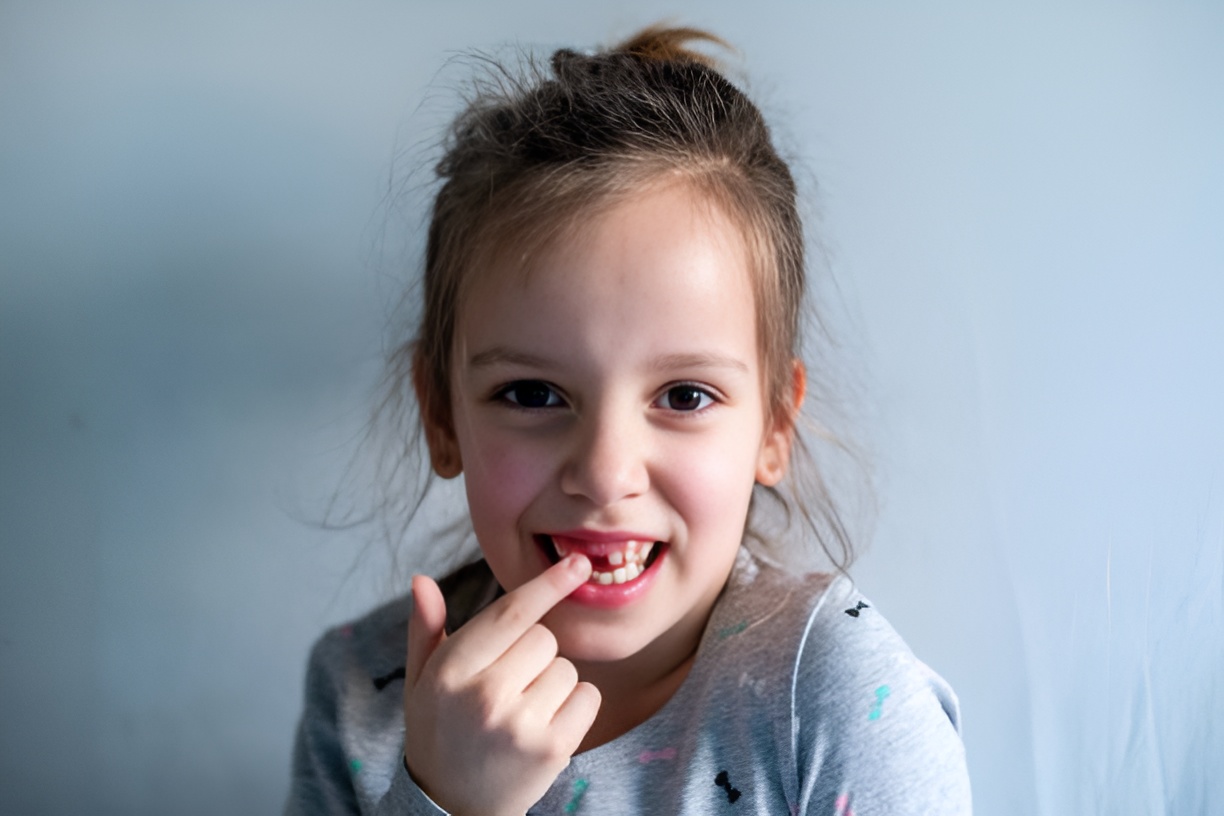
Most kids begin losing teeth around age 6, but this can vary widely. Some children might start as early as 4 or as late as 7. Genetics, nutrition, and overall health can all play a role in the timing.
Typical Timeline for Losing Baby Teeth
Here’s a general guideline of what to expect:
- Lower central incisors (front bottom teeth) – around age 6-7
- Upper central incisors (front top teeth) – around age 6-7
- Upper lateral incisors (next to front teeth) – around age 7-8
- Lower lateral incisors – around age 7-8
- First molars – around age 9-11
- Canines (cuspids) – around age 9-12
- Second molars – around age 10-12
While these ages are averages, every child is unique. Some kids may experience gaps in timing, and that’s usually perfectly normal.
Are Early or Late Tooth Losses a Problem?
Early or late loss of baby teeth is usually not a concern unless:
- Multiple teeth are lost too early or too late
- There are signs of pain, infection, or unusual discoloration
- Permanent teeth aren’t coming in as expected
If any of these occur, a visit to a pediatric dentist is recommended.
Which Teeth Come Out First?
Most children lose their front lower teeth (central incisors) first. These teeth are the easiest to wiggle and tend to loosen earlier because they experience more pressure from chewing.
After the lower front teeth, the upper front teeth usually follow. Molars and canines are lost later as permanent teeth push through and take their place.
Signs Your Child’s Tooth is Ready to Fall Out
You might notice:
- Slight looseness when touched
- Wiggling teeth during eating or brushing
- Mild soreness or sensitivity
- Small amounts of bleeding when a tooth is loose
It’s normal for a loose tooth to wobble for a few days or even weeks before falling out completely.
How to Help Kids Through the Tooth-Loss Process
Losing teeth can be exciting for children, but it can also bring discomfort or even a little anxiety. Parents can play a key role in making this milestone safe, comfortable, and even fun. Here’s a more in-depth look at how to support your child:
Encourage Gentle Wiggling
Loose teeth are often eager to come out on their own. Teach your child to wiggle the tooth gently with clean fingers or even their tongue. This helps the tooth loosen naturally without causing pain or damage to the gums. Remind them to wash their hands before touching the tooth to reduce the risk of infection.
Use a Cold Compress or Soothing Foods
If your child’s gums feel tender, a cold compress applied externally to the cheek can help reduce soreness. Inside the mouth, chilled foods like yogurt, applesauce, or ice chips can numb the area slightly and provide relief while keeping them engaged with healthy options.
Avoid Pulling Teeth
Even if a tooth looks ready to fall out, resist the urge to yank it. Pulling teeth prematurely can lead to bleeding, infection, or discomfort. Let the tooth loosen at its own pace, and if it doesn’t fall naturally within a couple of weeks, consult a dentist rather than forcing it.
Celebrate Milestones
Losing teeth is a rite of passage. Simple celebrations can make the experience exciting. Praise your child for being brave, create a special chart to track lost teeth, or use rituals like the Tooth Fairy to make it feel magical. Positive reinforcement encourages your child to embrace this stage without fear.
Maintain Good Oral Hygiene
Loose teeth can trap food particles, increasing the risk of cavities or gum irritation. Help your child brush gently around the loose tooth and floss carefully to keep the area clean. Using a soft-bristled toothbrush and fluoride toothpaste ensures comfort and protection.
Tips for Kids Who Are Nervous About Losing Teeth
Some children may feel nervous, anxious, or even fearful about losing teeth. Here are strategies to help them feel more at ease:
Read Books or Watch Videos About Losing Teeth
Familiarity reduces fear. Age-appropriate books and educational videos can show your child what happens when teeth fall out, making it less intimidating. Stories often present tooth loss as a fun and normal part of growing up.
Explain Why Teeth Fall Out
Children feel more confident when they understand what’s happening. Explain that baby teeth are temporary and make room for bigger, stronger permanent teeth. Use simple language like, “Your teeth are making space for new teeth so your smile can grow!”
Create Special Keepsakes
Give your child the chance to hold their lost tooth in a small box or a Tooth Fairy envelope. This makes the experience tangible and memorable, turning nervousness into excitement. Some families even create “tooth journals” to track lost teeth and new adult teeth as a fun tradition.
Offer Small Rewards for Courage
Rewards don’t have to be extravagant. Stickers, extra bedtime stories, or a small toy can encourage bravery and make children feel proud of handling their loose teeth responsibly. This also reinforces positive habits, like wiggling teeth gently and maintaining oral hygiene.
Be Patient and Empathetic
Some children may need extra reassurance. Validate their feelings by acknowledging discomfort or fear. Saying something like, “I know your tooth feels wobbly and a little strange, but it’s perfectly normal,” helps them feel understood and supported.
What to Expect After a Tooth Falls Out
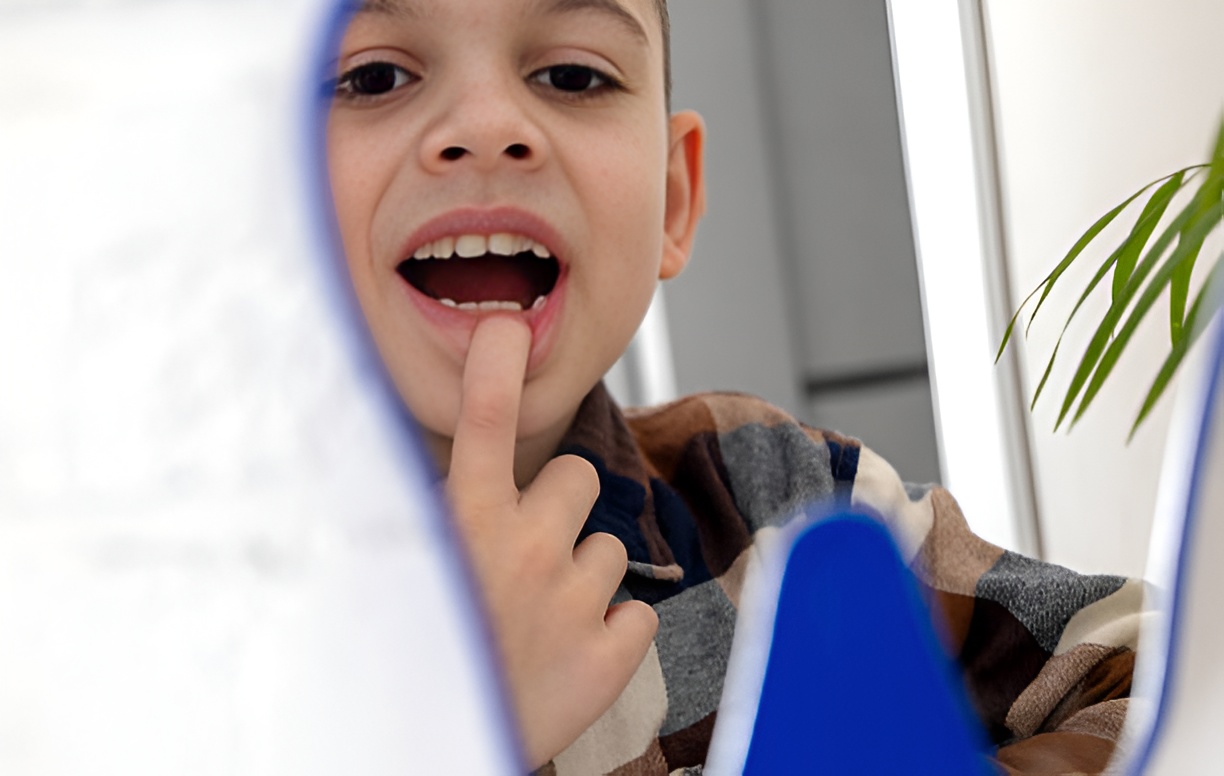
Once a tooth falls out:
- Bleeding usually stops within minutes
- A small hole will remain in the gums until the adult tooth grows in
- Swelling or tenderness is typically minimal
- Encourage your child to rinse with water and keep the area clean
Permanent teeth usually emerge within a few months. The timing varies depending on the tooth and the child.
Caring for New Adult Teeth
When permanent teeth start to come in, proper care is essential:
- Brush teeth twice daily with fluoride toothpaste
- Floss once daily to remove trapped food
- Avoid sugary snacks and drinks that can cause decay
- Schedule regular pediatric dental visits
- Consider fluoride treatments or dental sealants if recommended
Permanent teeth are meant to last a lifetime, so instilling good habits early is important.
Common Questions About Losing Teeth
Is It Normal for Kids to Have Gaps?
Yes, gaps between baby teeth are common and usually not a problem. They often indicate that the child’s jaw is growing to accommodate larger adult teeth.
Can Teething Affect Tooth Loss?
Teething in infants and toddler years is different from losing baby teeth. However, adult teeth emerging after baby teeth fall out can cause mild discomfort, similar to teething.
When Should You See a Dentist?
See a dentist if:
- A tooth hasn’t fallen out by age 7 or 8 and the permanent tooth is visible under the gum
- There’s pain, swelling, or infection
- Multiple teeth are unusually delayed or missing
Early evaluation can prevent misalignment or complications.
Fun Ways to Celebrate Losing Teeth
Making tooth loss fun can reduce fear and anxiety:
- Tooth Fairy traditions – Leave a small reward under the pillow
- Photo milestones – Capture photos of your child with their missing teeth
- Special chart or journal – Track lost teeth and permanent tooth arrivals
- Crafts and keepsakes – Store teeth in small boxes or make fun artwork
Celebration reinforces that losing teeth is a positive milestone.
Nutritional Tips to Support Healthy Teeth
Good nutrition helps both baby and adult teeth develop strong:
- Calcium-rich foods – Milk, cheese, yogurt, leafy greens
- Vitamin D – Helps the body absorb calcium
- Phosphorus – Eggs, meat, nuts, and fish support teeth structure
- Crunchy fruits and veggies – Apples, carrots, and celery help clean teeth naturally
- Limit sugary snacks and sodas – Prevents cavities and strengthens oral health
Balanced nutrition helps ensure teeth fall out and come in properly without problems.
How to Handle Tooth Pain or Sensitivity
Some children experience mild discomfort when teeth are loose or adult teeth are erupting. You can help by:
- Offering cold foods like yogurt or chilled applesauce
- Giving over-the-counter pain relievers if recommended by your pediatrician
- Gently brushing the area to keep gums clean
- Avoiding hard foods that might worsen soreness
Most discomfort is temporary and resolves once the adult tooth comes in.
The Role of Orthodontics in Tooth Loss
Sometimes, losing teeth can reveal misalignment issues:
- Crowded or crooked teeth may need early orthodontic evaluation
- Spacing problems or retained baby teeth might require intervention
- Pediatric dentists can monitor growth and guide jaw development
Early attention can prevent more extensive treatment later.
Myths About Losing Teeth
There are many myths parents hear about tooth loss:
- “Loose teeth should be pulled out immediately.” False. Teeth should fall naturally.
- “All teeth fall out at exactly the same age.” False. Timing varies widely.
- “Permanent teeth will be perfect.” False. Brushing, nutrition, and genetics affect adult teeth health.
- “Baby teeth aren’t important because they fall out.” False. They guide adult teeth alignment and oral development.
Clearing up myths helps parents support kids without unnecessary worry.
Encouraging Healthy Oral Habits Early
Building strong dental habits during tooth loss sets the foundation for lifelong oral health:
- Brush and floss daily
- Limit sugary snacks and drinks
- Use fluoride toothpaste
- Attend regular dental checkups
- Make oral care a fun and positive routine
Positive reinforcement now prevents cavities, gum disease, and misalignment later.
Final Thoughts
Losing teeth is a normal, natural, and exciting part of growing up. While it can sometimes cause minor discomfort or anxiety, parents can make the experience safe, fun, and educational. By tracking the timeline, promoting healthy habits, and knowing when to seek professional advice, you can help your child navigate this milestone with confidence.
Remember, every child is unique, so timelines can vary. Support, encouragement, and good dental care are the keys to happy, healthy smiles that last a lifetime.