
Highlights:
- Most children start losing teeth between ages 5 and 7, though the timeline can vary widely.
- Children typically lose a total of 20 baby teeth, starting with the lower and upper front teeth.
- Signs a tooth is ready to come out include looseness, mild gum discomfort, and slight swelling.
- Parents can support kids by encouraging gentle wiggling, maintaining oral hygiene, and offering reassurance.
- Tooth loss is generally normal, but early or delayed loss, crowding, or persistent pain may require a dentist visit.
- Fun traditions like the tooth fairy, charts, and storytelling can make losing teeth a positive experience.
Losing teeth is a natural milestone in childhood, but it can raise a lot of questions for parents. Understanding when children start losing teeth, what the process looks like, and how to support your child can make this phase easier for everyone. In this article, we’ll break down tooth loss age by age, what to expect, common concerns, and helpful tips for care and comfort.
At What Age Do Children Start Losing Teeth?
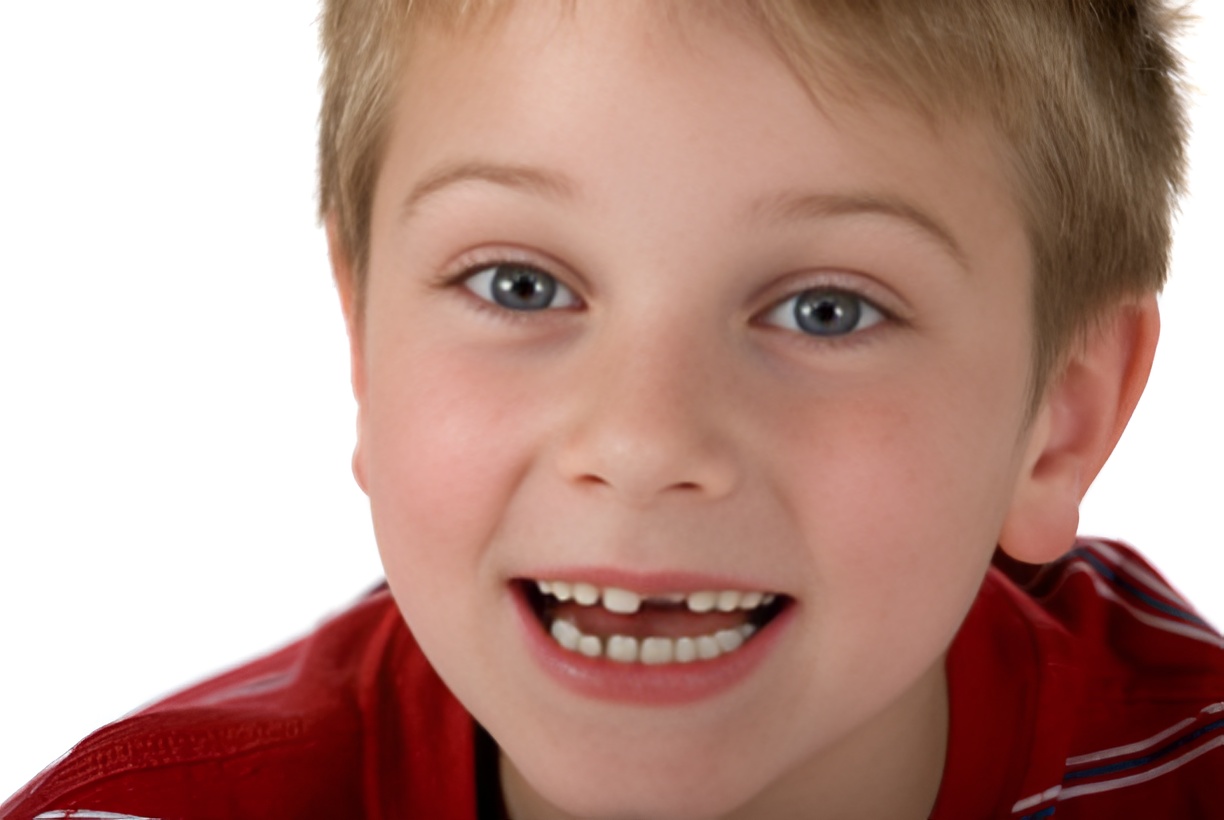
Most children start losing their first teeth around ages 5 to 7, though this can vary. Some kids may begin earlier, around age 4, while others may not start until age 8. Genetics, nutrition, and overall health can influence the timing.
You might also wonder, “How many teeth do kids lose?” Most children will lose a total of 20 baby teeth before their permanent teeth come in. These teeth usually fall out gradually over several years, following a typical order.
Here’s a general timeline:
- 4–5 years: Early starters may lose front teeth first.
- 5–7 years: Most children start losing central incisors (front bottom and top teeth).
- 6–8 years: Lateral incisors (teeth next to the front teeth) begin to come out.
- 7–9 years: First molars may be replaced, though these are often permanent teeth that erupt behind baby molars.
- 9–12 years: Canines and premolars start to fall out.
- 12–13 years: Most baby teeth are gone, and permanent teeth are in place.
Remember, every child’s timeline is unique. A tooth falling out earlier or later than peers is often normal.
Which Teeth Usually Come Out First?
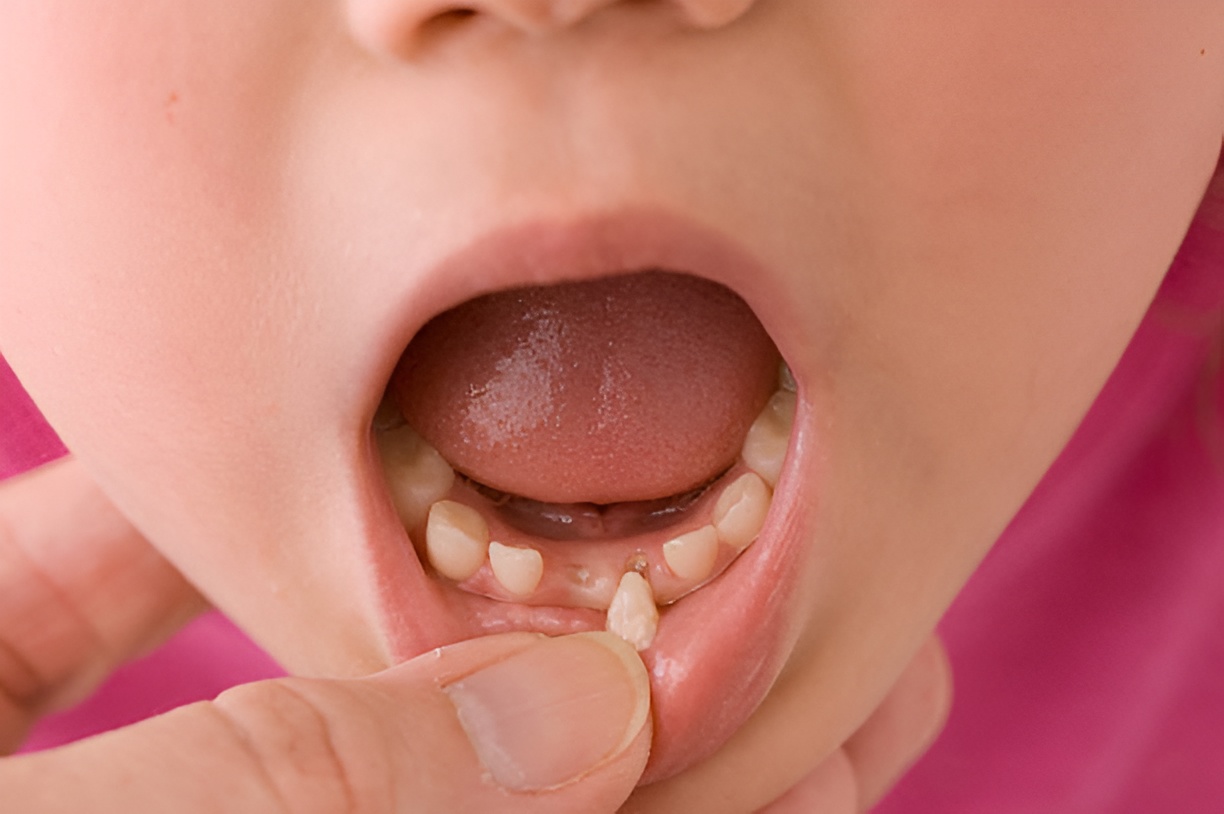
The first teeth to loosen and fall are typically the lower central incisors (bottom front teeth), followed by the upper central incisors (top front teeth). These teeth are the smallest and easiest to wiggle.
- Bottom front teeth (lower central incisors): Usually the first to go.
- Top front teeth (upper central incisors): Follow the bottom teeth.
- Side teeth (lateral incisors): Drop out next.
- Molars and canines: Come out later, often requiring more time and patience.
Understanding the order can help parents know what to expect and when to consult a dentist if a tooth seems delayed.
What Are the Signs That a Tooth Is Ready to Come Out?
Before a tooth falls, you may notice these signs:
- The tooth feels loose and moves easily when touched with the tongue or finger.
- Mild discomfort or sensitivity in the gums around the tooth.
- Slight swelling or redness in the gum.
- Occasional biting or chewing accidents because of the wiggly tooth.
These are normal parts of the tooth-losing process. It’s important not to force the tooth out, as this can cause pain or bleeding.
How Can Parents Help Their Children Through Tooth Loss?
Parents play a big role in making the tooth-losing experience safe and comfortable. Here are some practical tips:
- Encourage gentle wiggling: Let children wiggle teeth with clean fingers or their tongue.
- Avoid pulling: Never force a tooth to come out—it may harm the gums.
- Use cold compresses: If the gums are sore, a cold washcloth or chilled food like apple slices can relieve discomfort.
- Maintain good oral hygiene: Keep brushing and flossing around the wiggly tooth to prevent infection.
- Offer reassurance: Explain that losing teeth is normal and exciting.
Creating a calm and supportive environment helps children feel more confident about this stage.
Are Early or Late Tooth Loss a Cause for Concern?
While variability in timing is normal, certain situations may warrant a pediatric dentist visit:
- Early tooth loss (before age 4) could be due to trauma, dental decay, or underlying health issues.
- Delayed tooth loss (after age 8 for front teeth) may indicate problems with tooth development, alignment, or jaw growth.
- Uneven spacing or crowding: Some children may need orthodontic evaluation to ensure proper alignment.
Regular dental checkups can help identify potential issues and provide peace of mind.
How Do Permanent Teeth Replace Baby Teeth?
When a baby tooth falls out, the permanent tooth underneath gradually emerges through the gum. This process can take several months for some teeth, while others appear quickly.
- Root resorption: The roots of the baby tooth dissolve, loosening it for natural removal.
- Guided eruption: Permanent teeth often follow the path of the baby tooth to align properly.
- Spacing matters: Children may have slight gaps during this process, which is completely normal.
Encouraging children to be patient and gentle with wiggly teeth ensures proper growth and alignment of permanent teeth.
How to Make Losing Teeth Fun and Exciting

Many families use the tooth-losing experience as a fun milestone. Here are some ideas:
- Tooth fairy tradition: A classic way to reward children for losing a tooth.
- Tooth loss chart: Track each lost tooth on a chart or calendar.
- Storytelling: Share personal stories about your own tooth loss experiences.
- Crafts and games: Turn loose teeth into creative activities, like drawing a tooth fairy scene or writing a “lost tooth” note.
Making the experience positive reduces fear and promotes excitement about growing up.
What Foods Are Safe During Tooth Loss?
During this time, some foods may cause discomfort. Encourage soft foods and avoid anything too hard or sticky.
- Soft foods: Yogurt, mashed potatoes, scrambled eggs, smoothies.
- Cold treats: Ice cream or chilled fruit can help soothe sore gums.
- Avoid: Hard candies, crunchy nuts, or sticky treats that could dislodge or hurt a wiggly tooth.
Maintaining a balanced diet also supports healthy tooth and jaw development.
How to Handle Pain or Sensitivity
Mild soreness is common, but there are ways to help:
- Over-the-counter pain relief: Children’s acetaminophen or ibuprofen (if approved by a doctor) can help.
- Gum massage: Gently rubbing the gums can relieve discomfort.
- Saltwater rinse: A warm saltwater rinse may reduce inflammation.
- Distraction: Reading a book or playing a game can help children focus away from discomfort.
Pain usually resolves quickly once the tooth falls naturally.
When to See a Dentist
Although most tooth loss is normal, certain situations require professional advice:
- A tooth hasn’t loosened by age 8 for front teeth.
- Baby teeth fall out prematurely due to decay or injury.
- Teeth appear crowded, misaligned, or erupt in unusual positions.
- Persistent pain, swelling, or signs of infection in the gums.
Pediatric dentists can assess development, guide proper oral care, and recommend interventions if needed.
Tips for Maintaining Oral Health After Tooth Loss
Even after a tooth falls out, good oral hygiene is key:
- Brush gently: Continue brushing twice a day, including around emerging permanent teeth.
- Floss daily: Remove food debris to prevent decay in new teeth.
- Regular checkups: Visit the dentist every six months for preventive care.
- Fluoride use: Fluoride toothpaste strengthens enamel and prevents cavities.
- Balanced diet: Limit sugary snacks to protect new teeth.
Instilling these habits early sets the stage for lifelong dental health.
In Summary
Knowing when children start losing teeth helps parents anticipate changes, support their kids through minor discomfort, and maintain healthy oral care. While timelines vary, the general pattern and sequence of tooth loss provide a roadmap for this important developmental milestone.
By understanding the process, offering comfort, and promoting fun experiences like the tooth fairy tradition, parents can turn tooth loss into a positive and memorable event. Remember, regular dental checkups ensure any concerns are addressed early and your child’s smile stays healthy as permanent teeth emerge.