
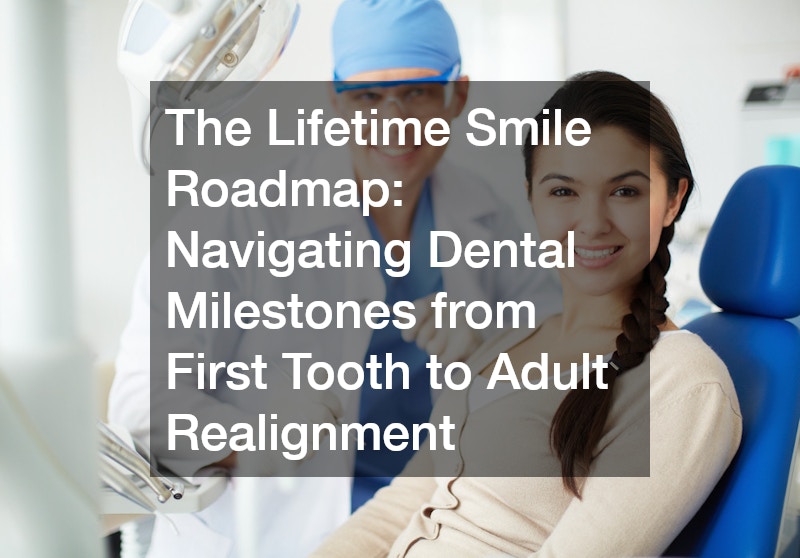
Human teeth begin developing long before they break through the gums. For parents, the arrival of that very first tiny white edge in a baby’s mouth is a major cause for celebration. It also marks the official beginning of a lifelong oral health journey. Many people mistakenly believe that primary teeth do not require professional attention because they will eventually fall out. However, these initial teeth serve as crucial placeholders for permanent teeth, guiding them into their proper positions while allowing young children to chew and speak correctly. Establishing a positive relationship with clinical environments at this stage prevents future anxiety and sets a baseline for wellness.
Specialized attention during these formative months focuses on monitoring jaw development and educating parents on proper cleaning techniques. Early visits help identify issues like baby bottle tooth decay or structural variations caused by thumb-sucking before they become deeply rooted problems. Choosing a practitioner who understands the unique psychological and physical needs of toddlers makes a massive difference. This specialized field, known widely as infant dentistry, emphasizes gentle examinations and proactive parental guidance rather than invasive procedures. By making these initial visits relaxed and educational, children learn that maintaining oral health is a normal, non-threatening part of everyday life. This phase also allows parents to ask questions about teething discomfort, pacifier use, and the best ways to introduce tooth brushing at home. Safe oral habits established now pay massive dividends for decades to come. Furthermore, protecting primary teeth from early structural compromise ensures that childhood speech patterns develop naturally and without unnecessary impediments.
Finding the Right Medical Home
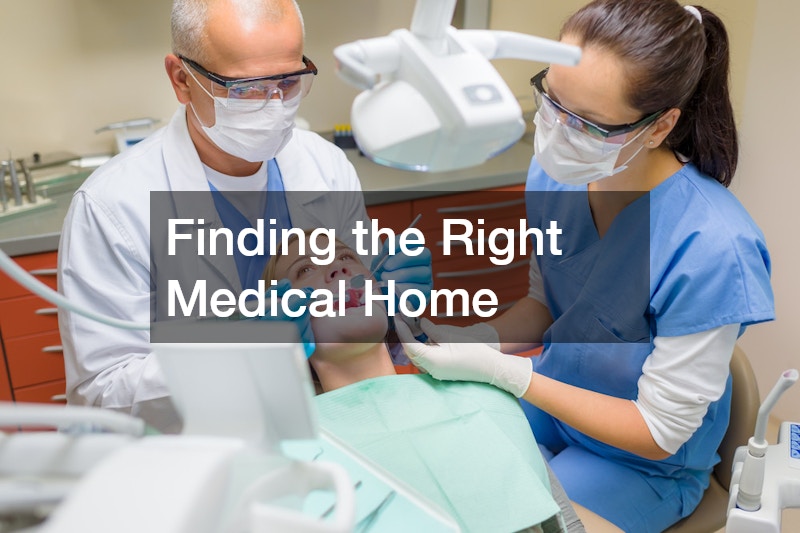
As toddlers grow into school-aged children, their oral health needs become slightly more complex. They begin losing their primary teeth, making way for the permanent adult teeth that must last for the rest of their lives. During this transitional period, families need a reliable and consistent clinical home base. It is common for parents to feel overwhelmed by the sheer number of options available when selecting a practitioner for their growing household. Consistency is incredibly valuable in oral health care, as a practitioner who documents a child’s dental history over several years can spot subtle changes that a new provider might easily overlook.
When looking for a clinic, families often look for convenience, a welcoming atmosphere, and a team that communicates clearly with patients of all ages. Word-of-mouth recommendations from neighbors and online reviews can assist in narrowing down the selection process. Evaluating how a clinic handles emergencies, scheduling, and nervous patients will help ensure a good long-term fit. Families frequently benefit from choosing local dentists who can accommodate multiple family members on the same day, reducing the logistical stress of managing healthcare. A high-quality family practice will offer a comprehensive range of preventive treatments while maintaining a network of trusted specialists for more advanced structural needs. This continuity of care ensures that children feel safe and familiar with the environment, which significantly reduces the likelihood of dental avoidance during their teenage and adult years. Finding a practice that values patient education ensures that children learn the correct way to brush and floss under professional supervision, reinforcing the habits parents try to teach at home. A welcoming environment ensures that every family member leaves with a clear understanding of their oral health status.
Transitioning to Lifelong Preventive Maintenance

Once the adult teeth begin to take their permanent places, the overall focus of oral healthcare shifts toward long-term preservation and maintenance. This is the stage where routine habits become the primary defense against decay, gum irritation, and systemic health complications. Consistent brushing and flossing at home are vital, but they are only part of the equation. Professional cleanings are necessary to remove hardened plaque deposits that standard toothbrushes simply cannot dislodge. These routine appointments also allow for comprehensive visual inspections and diagnostic imaging to catch decay between the teeth before it causes pain or structural damage.
The cornerstone of this lifelong maintenance strategy falls squarely within the realm of general dentistry, which handles everything from standard cleanings to basic restorations like fillings and crowns. Practitioners in this field act as the primary coordinators for an individual’s oral health, keeping track of changes in gum tissue, bone density, and overall oral hygiene. They are also trained to perform routine oral cancer screenings and identify signs of teeth grinding or jaw misalignment that could lead to chronic headaches and facial pain. For most individuals, visiting the office twice a year is the ideal schedule to prevent minor issues from escalating into painful, costly emergencies. These visits also serve as an opportunity to update medical histories, as systemic conditions like diabetes and heart disease can have a direct impact on oral health. By maintaining a strict schedule of preventive care, patients can keep their natural teeth functional and beautiful for their entire lives, avoiding the need for extensive tooth replacement therapies down the road. Through early detection and careful preservation, patients can easily maintain their natural smiles through every decade of life.
Addressing Developmental and Structural Changes
During the pre-teen and teenage years, the permanent smile takes its final shape, but this transition does not always happen smoothly. Genetic factors, prolonged childhood habits, or simple bad luck can cause adult teeth to emerge crooked, crowded, or severely misaligned. Beyond the obvious aesthetic concerns, misaligned teeth can create functional problems that affect a person’s ability to chew efficiently and speak clearly. Crowded teeth are also much harder to clean properly, creating tight spaces where food particles and bacteria accumulate, increasing the risk of localized decay and gum infections.
When these structural issues become apparent, it is time to consult a specialist who focuses exclusively on the alignment of the teeth and jaws. A fully qualified orthodontist possesses the advanced training necessary to design a customized treatment plan that guides the teeth into their optimal positions over time. This process involves evaluating the relationship between the upper and lower jaws to correct overbites, underbites, and crossbites that could cause premature tooth wear or jaw pain later in life. Modern corrective options are far more streamlined and comfortable than those available to previous generations. The most traditional and reliable method for correcting complex spatial issues involves using metal or ceramic braces, which apply continuous, gentle pressure to gradually shift the teeth into place. This time-tested approach remains highly effective for severe crowding or complex rotational corrections that require precise control over every individual tooth. By addressing these structural issues during adolescence, when the jawbones are still growing and highly adaptable, treatment is often faster and more predictable than it would be during adulthood. Addressing these structural concerns before growth stops provides long-term stability for the entire dental arch.
Evolving Options for Aesthetic and Functional Realignment
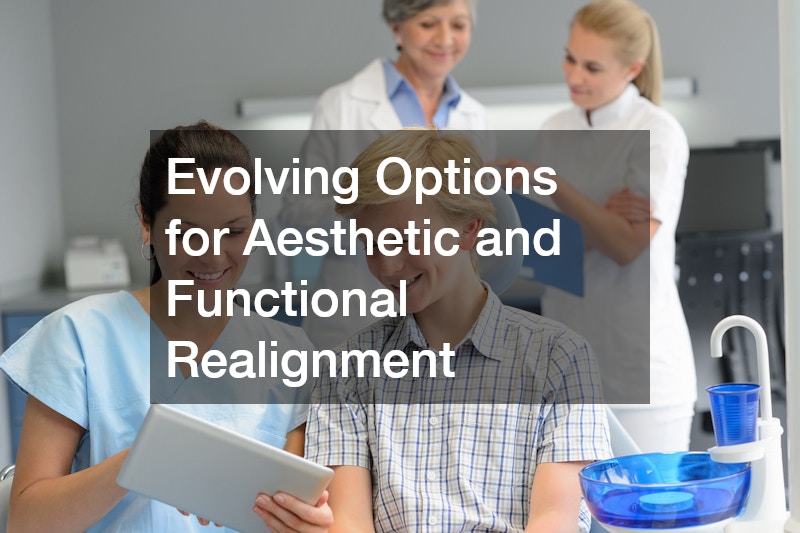
For many years, orthodontic treatment was viewed almost exclusively as a milestone reserved for teenagers. Today, however, an increasing number of adults are seeking out alignment therapies to correct issues that were ignored during youth or to address teeth that have shifted over time. Adults often hesitate to pursue traditional corrective methods due to professional or social concerns regarding appearance. Fortunately, modern dental innovations have introduced subtle, highly discreet options that allow individuals to straighten their teeth without drawing unwanted attention to their ongoing treatment. These options offer greater flexibility for busy lifestyles, making adult realignment more accessible and popular than ever before.
One of the most widespread and sought-after alternatives to traditional corrective hardware is Invisalign, which utilizes a series of clear, removable plastic aligners to smoothly guide the teeth into place. Because these aligners can be taken out during meals and routine cleaning sessions, patients do not have to alter their diets or struggle with specialized flossing tools. This technology relies heavily on advanced digital mapping software to plot out the entire treatment path before the first aligner is even manufactured. The precision of these modern treatments is made possible by sophisticated dental equipment, including high-resolution intraoral scanners that create three-dimensional models of the mouth in a matter of seconds. These digital impressions replace the uncomfortable, messy putty molds that patients traditionally dreaded. By using these advanced technological tools, clinicians can track progress with extreme accuracy, ensuring that each subtle shift aligns perfectly with the predetermined treatment goals. Adults can now achieve a healthier, more balanced smile with minimal disruption to their daily personal and professional routines. This makes orthodontic correction a highly feasible option for working professionals who cannot afford constant disruptions.
The Craftsmanship and Comfort Behind the Smile
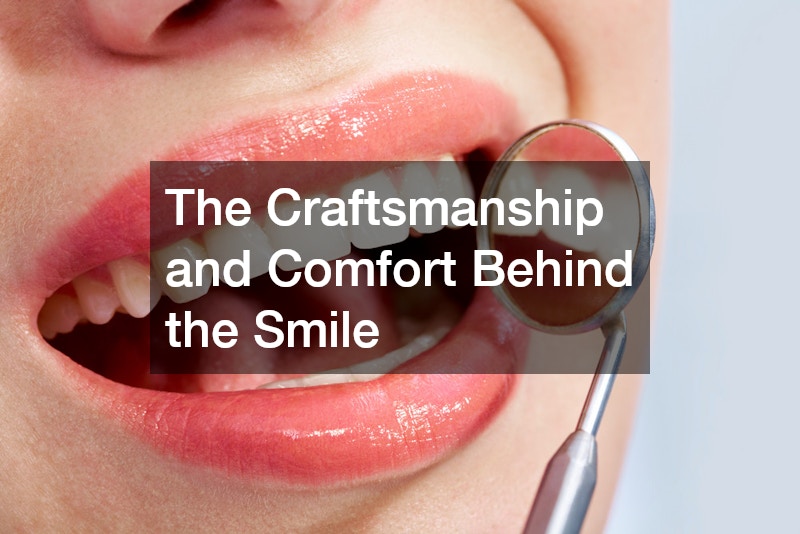
Every successful dental treatment, whether it involves a simple crown, a complex bridge, or a series of clear alignment trays, relies on a massive amount of coordination behind the scenes. Clinicians rely on external production facilities to manufacture the highly customized components required to restore or realign a patient’s smile. These specialized dental labs employ skilled technicians who work with medical-grade materials like porcelain, ceramic, and high-strength polymers to create durable restorations that match the natural shade and shape of a patient’s existing teeth. The collaboration between the clinical chair and the laboratory bench ensures that every crown, veneer, or orthodontic appliance fits perfectly, minimizing the need for lengthy manual adjustments during the insertion appointment.
While advanced materials and precise craftsmanship ensure excellent physical results, the patient experience inside the clinic remains equally critical, especially for those undergoing intensive restorative procedures. For individuals who experience profound anxiety or require multi-step surgeries, managing emotional and physical comfort is paramount. Modern practices address these concerns by offering advanced relaxation options managed by certified sedation dentists, who can administer various levels of medication to help patients remain completely calm and comfortable throughout their appointments. This specialized care allows patients to receive necessary, life-changing treatments that they might otherwise avoid due to severe fear or a sensitive gag reflex. By combining high-tech laboratory fabrication with advanced comfort protocols, modern dental practices can deliver complex full-mouth restorations efficiently and compassionately. Patients can rest assured knowing that their treatments are backed by scientific precision and a deep commitment to their peace of mind, transforming what used to be an intimidating ordeal into a smooth, manageable experience. This comprehensive system ensures that precision manufacturing and patient comfort go hand in hand throughout the entire restorative process.
Managing the Long-Term Investment in Family Health
Maintaining oral health from infancy through adulthood is a lifelong commitment that requires both time and consistent financial planning. While preventive care is relatively inexpensive, major structural adjustments or unexpected restorative treatments can represent a significant financial investment. Understanding how to navigate dental benefits, savings accounts, and payment plans is crucial for ensuring that every family member receives the care they need without unnecessary financial strain. Many modern dental practices offer dedicated financial coordinators who work directly with families to explain coverage tiers, deductibles, and annual maximums before any major treatment begins.
When planning for long-term care, it is essential to understand the specific guidelines and limitations established by a chosen insurance company. Most standard policies are structured around a preventive framework, covering routine cleanings, examinations, and diagnostic imaging at one hundred percent to encourage early intervention. However, coverage for major restorations, cosmetic enhancements, or specialized orthodontic treatments can vary wildly depending on the specific plan chosen during open enrollment. Being proactive by requesting pre-treatment estimates allows patients to understand their exact out-of-pocket responsibilities ahead of time, avoiding unexpected billing surprises. For treatments that fall outside standard coverage limits, many clinics provide flexible financing options or in-house membership plans designed to bridge the gap. By viewing dental care as an essential investment in overall health and systemic wellness, families can make informed decisions that protect both their smiles and their household budgets over the course of a lifetime. Taking the time to review policy details annually ensures that patients maximize available benefits, keeping a family’s oral health journey on a steady, affordable, and highly successful path. Prioritizing oral wellness creates a solid foundation for physical well-being that benefits patients at every stage of growth. Ultimately, regular communication with financial advisors within a chosen dental practice transforms a potentially overwhelming healthcare expense into a structured, predictable aspect of routine household budgeting.