

A confident smile doesn’t happen by accident. It is built over time through consistent habits, positive experiences, and the right support at every stage of life. From the earliest years of childhood through adulthood, oral health plays a major role not only in physical well-being but also in confidence, communication, and self-image.
What many people don’t realize is how early these patterns begin. The routines introduced during infancy and the early years of education often shape lifelong behaviors. When oral care is treated as a normal, positive part of daily life, it becomes second nature rather than something to avoid or postpone.
Parents, caregivers, educators, and professionals all play a role in this journey. Each stage presents an opportunity to reinforce healthy habits, build trust, and create a foundation that supports both oral health and personal confidence.
Build Strong Oral Habits from the Very Beginning
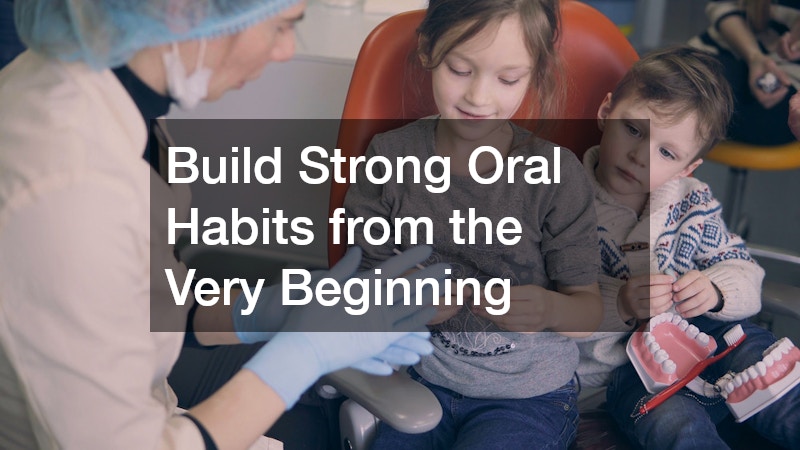
Integrating oral care into a child’s daily routine from a young age is crucial for several reasons. First and foremost, starting early helps children develop good habits that can last a lifetime. When brushing and flossing become regular activities, they are less likely to resist these practices as they grow older.
Introducing oral care early also helps to demystify the process. Many children can have anxiety about dental visits or the idea of having their teeth brushed, particularly if they encounter it for the first time. By incorporating oral hygiene into their routine, children develop familiarity with the tools and techniques involved, which can alleviate fear and help them feel more comfortable when they do visit the dentist.
Early oral care can positively impact a child’s overall health. Establishing a routine that includes brushing, flossing, and regular dental check-ups significantly reduces the risk of cavities and other dental issues. It sets the foundation for a lifetime of good oral health, ensuring that children grow up with strong teeth and healthy gums.
Parents play a vital role in this process. By modeling good oral hygiene habits, parents can encourage their children to follow suit. Making brushing fun, perhaps through songs or games, can turn a mundane task into an enjoyable bonding experience.
The earlier oral care becomes a normal part of a child’s routine, the smoother and more effortless it will be for them in the long run. This proactive approach not only fosters healthy habits but also builds confidence and comfort around oral health, setting the stage for a lifetime of good dental practices.
Start Oral Care Before It Feels Necessary
Oral care should begin even before a full set of teeth appears. Gently cleaning the gums and introducing brushing early help establish a routine and comfort.
Simple ways to begin:
- Use a soft cloth to clean gums after feeding
- Introduce a small, soft-bristled toothbrush as teeth emerge
- Keep routines consistent morning and night
These early steps help normalize oral care and reduce resistance later.
Partner with Early Childhood Environments
Children spend a significant amount of time in structured care settings. Day care services can play a valuable role in reinforcing hygiene habits introduced at home.
To create consistency:
- Share your child’s routine with caregivers
- Provide necessary tools, such as toothbrushes, if appropriate
- Encourage positive reinforcement from staff
When children see the same habits practiced in multiple environments, they are more likely to adopt them naturally.
Create Positive First Experiences with Dental Care
Early dental visits set the tone for future care. Visiting a children dentist at a young age helps reduce fear and builds familiarity with the environment.
To make visits positive:
- Schedule appointments at calm times of day
- Avoid using dental visits as a threat or punishment
- Celebrate visits as a milestone
A positive introduction builds trust and encourages long-term consistency.
Support Healthy Development During Early Education Years
As children grow, their independence increases. This is the time to reinforce responsibility while maintaining guidance. Instead of doing everything for them, begin shifting ownership of their daily routines while still providing structure and encouragement. This transition helps build confidence, accountability, and long-term habits that stick.
At this stage, children are learning not just what to do, but why it matters. Explaining the purpose behind routines helps them take more pride in their actions and feel a sense of control over their own care.
ou can support this growth by:
- Letting them take the lead on daily routines while you supervise
- Offering gentle reminders instead of direct instructions
- Praising effort and consistency rather than perfection
- Creating simple checklists they can follow independently
It’s also important to stay involved without being overbearing. Periodically checking in ensures that habits are being done correctly, while still allowing children to feel capable and trusted.
This balance between independence and guidance is what turns short-term routines into lifelong habits.
Build Routine Around School Schedules
Consistency becomes easier when oral care is tied to a daily structure. School routines provide natural anchors for healthy habits.
Try:
- Brushing before leaving for school
- Brushing again before bedtime
- Keeping routines simple and predictable
Children thrive when expectations are clear and consistent.
Reinforce Habits Through Learning Environments
Educational settings can support hygiene awareness in subtle but effective ways. Kindergarten programs often introduce basic health concepts that reinforce what is taught at home.
Encourage:
- Independence in brushing and rinsing
- Understanding why oral care matters
- Pride in maintaining personal hygiene
These lessons build confidence and responsibility.
Choose Environments That Value Health and Structure
Structured environments, such as private schools, often emphasize routine, discipline, and self-care. These values align well with maintaining consistent oral health habits.
Look for environments that:
- Encourage personal responsibility
- Support healthy routines
- Communicate openly with parents
Alignment between home and school creates stronger, more lasting habits.
Establish Consistent Professional Care as Kids Grow
Routine professional care becomes increasingly important as children develop and their needs change.
Schedule Regular Checkups Without Gaps
Preventive care is the foundation of long-term oral health. Regular visits help identify and address issues early.
Benefits include:
- Early detection of cavities or alignment issues
- Professional cleaning and maintenance
- Reinforcement of good habits
Consistency matters more than perfection.
Build Trust with a Long-Term Provider
Working with a consistent local dentist helps children feel more comfortable over time. Familiarity reduces anxiety and builds trust.
Advantages include:
- Better communication
- Personalized care
- A more relaxed experience
Trust makes a significant difference in long-term outcomes.
Understand the Role of Preventive Care
A general dentist monitors development, provides cleanings, and helps guide oral health decisions over time.
Their role includes:
- Tracking growth and changes
- Offering guidance on brushing and flossing
- Addressing small issues before they grow
Preventive care is one of the most effective ways to maintain a healthy smile.
Guide Orthodontic Development at the Right Time
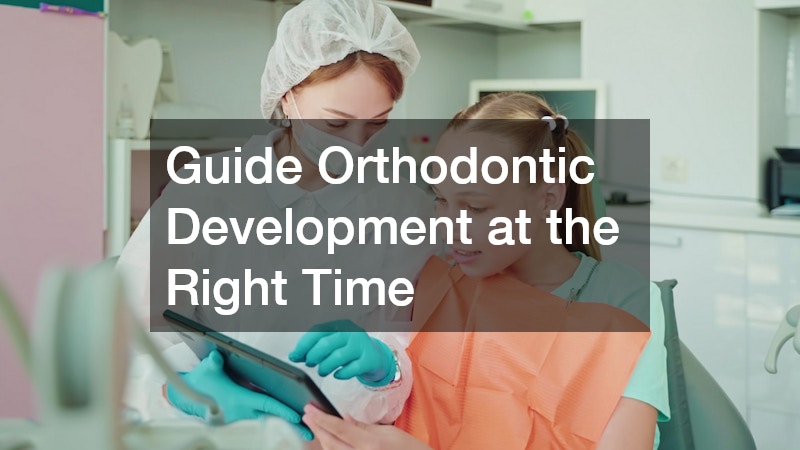
As children grow, alignment and spacing become important factors in both function and appearance.
Know When to Evaluate Alignment Early
Early evaluation can prevent more complex issues later. Signs to watch for include:
- Crowded or overlapping teeth
- Difficulty chewing
- Jaw alignment concerns
Early action often leads to simpler solutions.
Explore Modern Options for Straighter Smiles
Today’s orthodontic solutions are more flexible than ever. Clear aligners offer a discreet and convenient option for many individuals.
Benefits include:
- Less noticeable than traditional braces
- Removable for eating and cleaning
- Comfortable and easy to manage
Work with Specialists Who Plan for Long-Term Results
A local orthodontist can provide personalized care tailored to each individual’s needs. Regular monitoring ensures that progress stays on track.
Professional guidance helps:
- Adjust treatment as needed
- Maintain long-term results
- Build confidence throughout the process
Build Confidence Through Smile Aesthetics Over Time
As people mature, the focus often shifts from basic health to appearance and confidence. A smile plays a major role in how people perceive themselves and how others perceive them. Small improvements can have a big impact.
Confidence grows when:
- You feel comfortable smiling
- You are not self-conscious about your teeth
- Your appearance aligns with how you want to present yourself
Explore Options That Fit Your Goals and Lifestyle
Cosmetic dentistry offers a range of options to enhance appearance while maintaining a natural look.
Common options include:
- Whitening treatments
- Bonding or reshaping
- Veneers for more significant changes
Take a Gradual Approach to Enhancements
It’s important to approach changes thoughtfully. Gradual improvements often feel more natural and sustainable.
Focus on:
- Small, meaningful upgrades
- Long-term results over quick fixes
- Maintaining overall oral health
Maintain Oral Health as a Lifelong Priority
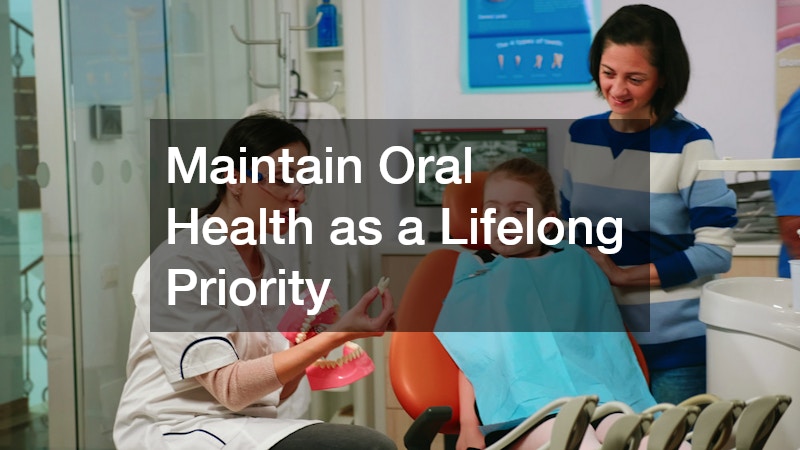
Oral care does not stop at any one stage. It evolves with your lifestyle and needs. Create a household routine that supports everyone. Family dental habits influence everyone in the household. When routines are shared, they become easier to maintain.
Encourage:
- Brushing and flossing together
- Regular checkups for all family members
- Open conversations about oral health
Stay Consistent with Preventive Care Into Adulthood
Regular visits should continue throughout life. Needs may change, but consistency remains key. What worked in your teens or early adulthood may need to evolve as your lifestyle, diet, and overall health shift.
This includes:
- Routine cleanings
- Monitoring for changes
- Adjusting care as needed
As you get older, preventive care becomes even more important. Small issues that go unnoticed can develop into more complex concerns if left untreated. Regular checkups allow for early detection and simpler solutions.
To stay on track:
- Keep a consistent schedule, even during busy periods
- Communicate any changes in sensitivity, discomfort, or habits
- Stay proactive rather than waiting for problems to arise
- Follow through on recommended treatments or follow-ups
It’s also important to recognize how other factors impact oral health over time, such as stress, diet, medications, and overall wellness. Being mindful of these influences allows you to make small adjustments that support long-term health.
Consistency in preventive care is what protects your smile year after year, helping you maintain both health and confidence well into adulthood.
Adapt Your Routine as Life Evolves
Busy schedules, career changes, and aging can all impact routines. The key is to adapt without losing consistency.
Keep it simple:
- Maintain core habits
- Adjust timing as needed
- Stay committed to regular care
Create a Long-Term System for Healthy Habits and Confidence
Building a confident smile is an ongoing process. Systems help ensure that progress continues over time.
Audit Your Habits at Different Life Stages
Regularly reviewing your routine helps you stay on track.
Ask yourself:
- What is working well?
- What needs improvement?
- What can be simplified?
Layer Improvements Instead of Overhauling Everything
Small, consistent changes are more effective than drastic overhauls. When you try to change too much at once, it becomes overwhelming and difficult to maintain. Layering improvements allows you to build momentum naturally, making each new habit feel manageable instead of forced.
Think of it as stacking small wins over time. Each improvement reinforces the next, creating a system that grows stronger without requiring constant effort or willpower.
Try:
- Adding one new habit at a time
- Building on existing routines
- Celebrating progress along the way
To make this approach even more effective:
- Anchor new habits to existing ones (for example, floss right after brushing so it becomes automatic)
- Keep changes simple at first so they are easy to repeat consistently
- Give each habit time to stick before introducing another
- Track your progress visually to stay motivated and accountable
It’s also important to adjust your expectations. Progress does not have to be perfect to be effective. Missing a day or making a mistake does not undo your progress—it’s consistency over time that matters. By layering improvements instead of overhauling everything at once, you create a routine that is sustainable, adaptable, and far more likely to last.
Balance Professional Care with Daily Maintenance
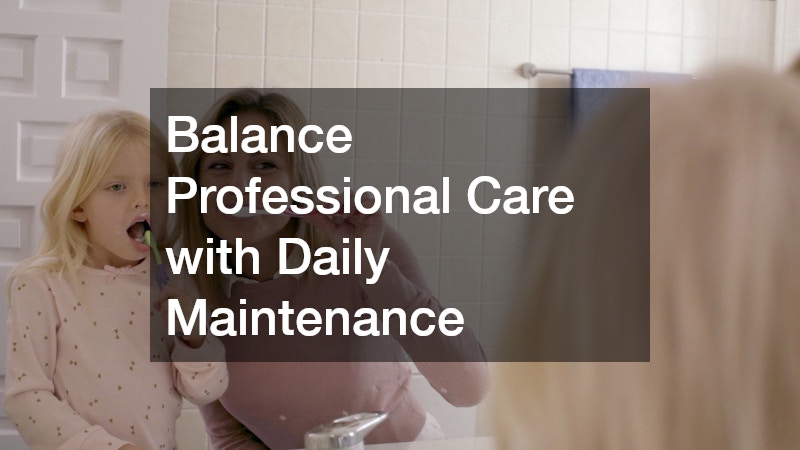
A strong routine combines professional support with daily habits.
This balance ensures:
- Consistent care
- Long-term results
- A manageable routine
A confident smile is built over time through consistent care, positive experiences, and thoughtful decisions at every stage of life. From early childhood habits to adult routines, each step contributes to long-term health and self-confidence.
The most important thing is to start where you are and stay consistent. Small actions, repeated over time, create lasting results. By focusing on simple, sustainable habits and seeking the right support when needed, you can build a foundation for a healthy, confident smile that lasts a lifetime.