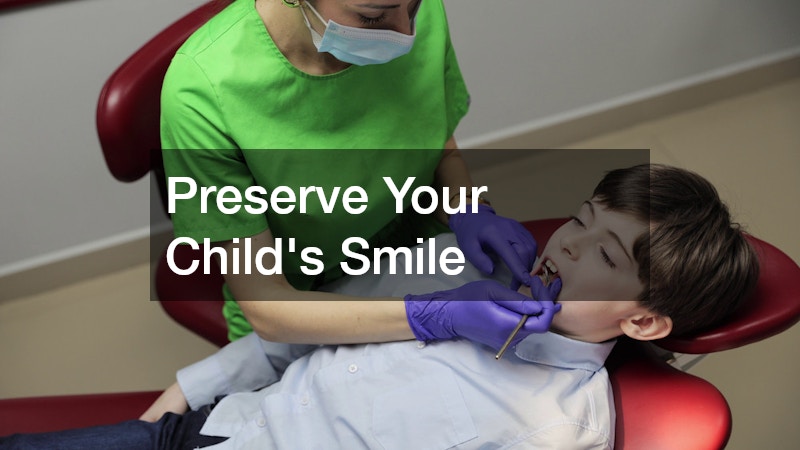
Good oral health begins long before a child has all of their permanent teeth. The habits, treatments, and dental experiences established during childhood can influence the health of a person’s smile for years to come. Working with a pediatric preventive dentist gives families an opportunity to address potential concerns early while helping children become comfortable with routine dental care.
Preventive dentistry focuses on protecting healthy teeth rather than waiting until pain, decay, or other problems develop. For children, this can include regular examinations, professional cleanings, fluoride treatments, dental sealants, and guidance about brushing, nutrition, and everyday oral hygiene.
Why Early Dental Care Matters
Children’s teeth may be temporary during the early years, but they still play an important role in overall oral development. Primary teeth help children chew food, speak clearly, and maintain space for permanent teeth.
When cavities or other problems affect baby teeth, they can cause discomfort and sometimes interfere with normal eating, sleeping, or speaking. Untreated dental concerns may also become more complicated over time.
A pediatric preventive dentist monitors a child’s teeth and gums as they develop. Regular appointments allow the dentist to identify changes before they become more serious and recommend appropriate care based on the child’s age and needs.
Creating Healthy Habits From the Start
Children often develop routines by repeating the behaviors they learn at home. Dental visits reinforce the importance of brushing, flossing, and making choices that support healthy teeth.
A dentist can also help parents understand how much toothpaste to use, when children should begin flossing, and when they may be ready to brush more independently.
These conversations can be especially valuable because children’s oral hygiene needs change as new teeth appear and their coordination improves.
Preventing Cavities Before They Develop
Tooth decay is one of the most common dental concerns among children. Cavities develop when bacteria in the mouth interact with sugars and produce acids that gradually weaken tooth enamel.
Preventive care is designed to reduce that risk.
A pediatric preventive dentist can examine areas that may be difficult for parents to see and identify early signs of enamel changes or plaque buildup. Professional cleanings can also remove deposits that regular brushing may leave behind.
The Role of Fluoride
Fluoride helps strengthen tooth enamel and can make teeth more resistant to acid attacks. Depending on a child’s needs, fluoride treatments may be recommended during routine dental appointments.
Parents can also receive guidance about fluoride toothpaste and other sources of fluoride. Recommendations may vary depending on the child’s age, cavity risk, and local water supply.
The goal is to use fluoride appropriately as one part of a broader preventive dental routine.
How Dental Sealants Help
The chewing surfaces of back teeth contain grooves where food particles and bacteria can collect. These areas can sometimes be difficult to clean thoroughly with a toothbrush.
Dental sealants create a thin protective layer over these grooves. A pediatric preventive dentist may recommend sealants after permanent molars appear, particularly for children who are at higher risk of developing cavities.
Sealants do not replace brushing and flossing, but they can provide additional protection in areas where decay frequently begins.
Monitoring Growth and Development
Preventive dental appointments are also an opportunity to monitor how a child’s mouth is developing.
Dentists can observe the eruption of new teeth, spacing between teeth, bite alignment, jaw growth, and other changes. Early monitoring does not necessarily mean that treatment will be needed. Instead, it provides a clearer picture of development over time.
Identifying Concerns Early
Some dental problems are easier to manage when they are discovered at an early stage. A dentist may notice signs of tooth decay, enamel weakness, gum irritation, abnormal tooth eruption, or bite concerns before a child experiences symptoms.
A pediatric preventive dentist can explain what is happening and whether the issue simply requires monitoring or additional care.
Early detection can also help families plan ahead rather than dealing with unexpected dental emergencies.
Helping Children Feel Comfortable at the Dentist
A child’s early experiences with dental care can shape how they feel about appointments later in life.
Routine preventive visits give children a chance to become familiar with the dental office when they are not experiencing pain. They can learn what happens during an examination, become comfortable with dental equipment, and build familiarity with the dental team.
Reducing Dental Anxiety
Children often feel more confident when they know what to expect. Regular visits make dental care feel like a normal part of staying healthy rather than something that only happens when there is a problem.
A pediatric preventive dentist is also accustomed to communicating with children at different developmental stages. Age-appropriate explanations can make procedures easier to understand and help children feel involved in their care.
Positive dental experiences can encourage children to continue seeking routine care as they grow older.
Supporting Healthy Habits at Home
Dental prevention does not stop when an appointment ends. Daily habits at home have a major influence on oral health.
Parents can encourage children to brush consistently, floss when appropriate, and limit frequent exposure to sugary foods and drinks. Water is often a helpful beverage choice between meals, while regular meal and snack routines can reduce repeated acid exposure throughout the day.
Making Oral Hygiene More Consistent
Young children usually need help brushing thoroughly. Even after children begin brushing on their own, parents may need to supervise until they develop enough coordination to clean every surface effectively.
A pediatric preventive dentist can demonstrate brushing techniques and point out areas that may need additional attention.
Keeping dental routines simple and predictable can also make them easier for families to maintain. Brushing at the same times each day, keeping dental supplies accessible, and making oral hygiene part of the normal morning and bedtime routine can support consistency.
Building a Foundation for Lifelong Oral Health
Preventive dentistry is about more than avoiding cavities. It helps children learn how to care for their teeth, gives families practical guidance, and allows dental professionals to monitor oral development over time.
Regular visits with a pediatric preventive dentist can help identify concerns early, strengthen developing teeth, reduce the risk of decay, and create more positive experiences with dental care.
When children learn that dental visits are a normal part of staying healthy, they are more likely to carry those habits forward. Early preventive care gives families the opportunity to protect growing smiles while building routines that can support good oral health well into adulthood.